

Blog Post
Narcissus and Echo: The U.S., Our Politics, and You and Me: Part Three
Tuesday, January 13, 2026
.svg)
Part Three:
Epilogue: Shakespeare’s The Tempest
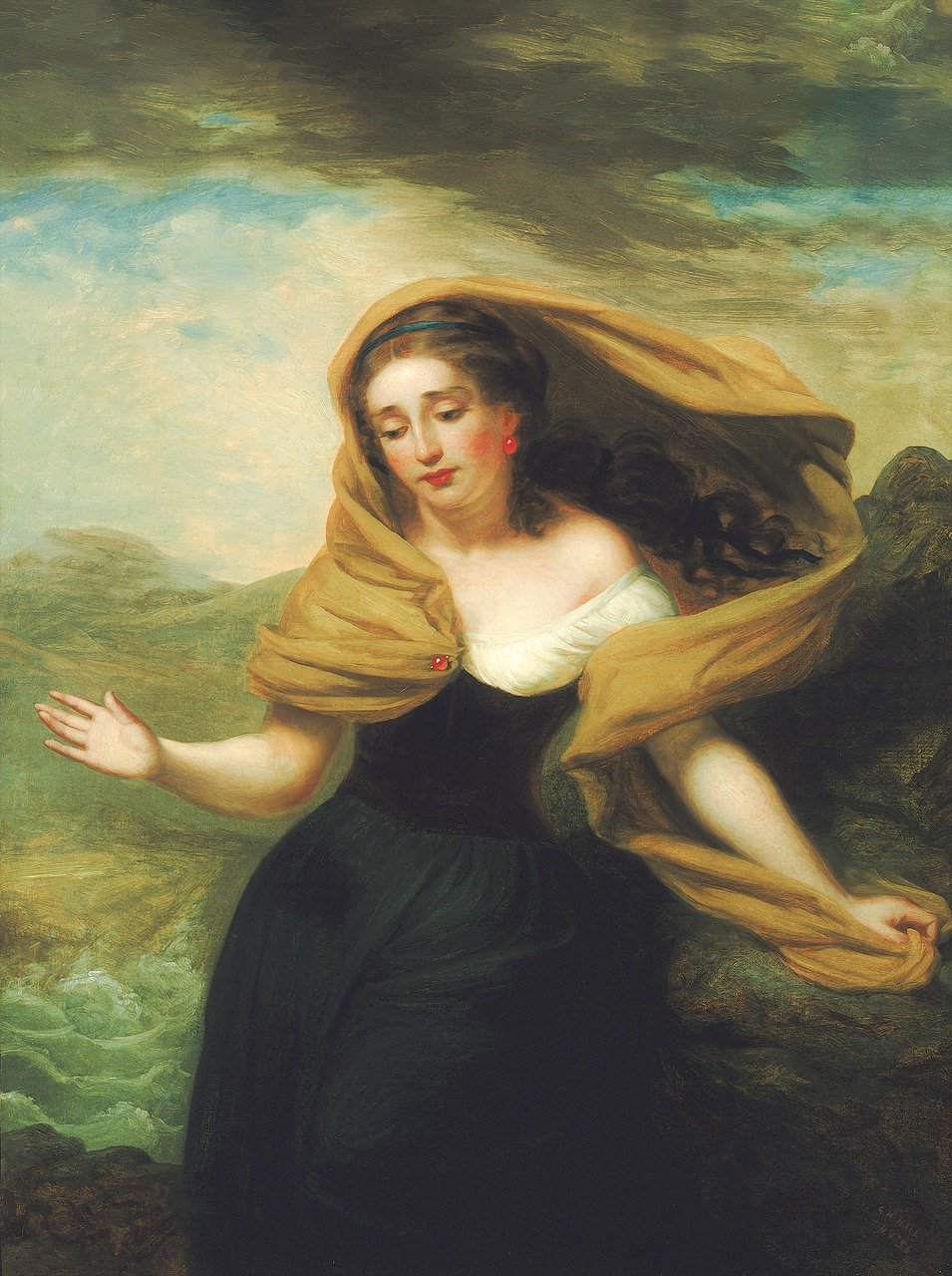
The Tempest illustrates the cruelty of the court of Shakespeare’s time, so a resolution could be more difficult than in his other comedies. Prospero, the Duke of Milan, and his daughter, Miranda, are set adrift at sea, presumably to die, by other family members. Father and daughter fortunately, land on a deserted island, where they survive for 12 years, largely because Prospero is a powerful magician. Perhaps that might have been the amount of time required to shake off anger and the desire for revenge.
What makes this comedy even more profound than the others is Prospero’s recognition of his part in all that had unfolded, and his ability to forgive those who cruelly set out to kill him and his daughter—at least after having taught them a few lessons. He also realizes that he has needed magic to be able to return to his role as the Duke, and this magic has transformed him. Now he is ready to put magic behind him and go back to be a different kind of Duke—that is, one who does the hard work of leading for his people’s benefit. That is why he chooses to forgive his brother and those who helped him. He does it for the good of the country and his family. So can we.
In our modern world, the magic of marketing can create the illusion that our leaders, or we, are succeeding, when in fact the times require all of us, and especially those in power, to do the hard work of facing realities head on. This is often difficult and not at all glamorous. It means giving up the narcissistic focus on how successful we are and our Echoistic passing on of salacious gossip. Recognizing any of the ways we have done this also can help us to lessen our judgment of others, as does Prospero, for the good of our collective future health.
If we do not do this in our own lives, in the areas for which we are responsible, how can we expect to have high-level leaders do so? Particularly in a democracy, our leaders reflect the sickness in its culture. The remedy starts with each of us rating our value, not from where we stand in a made-up status system, but from knowing we are doing the best we can to contribute to the health of our families, workplaces, communities, and nation—whether or not others admire what we do.
More Posts
Related Articles


Narcissus and Echo: The U.S., Our Politics, and You and Me: Part Two
Disney, Jesus, and Shakespeare


